



Similar Posts
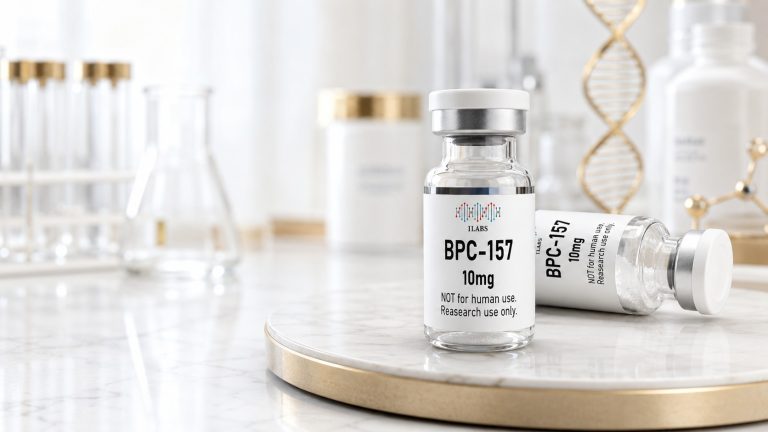
BPC-157 – what is it and how does it work? Effects and research findings
How does BPC-157 work? Learn about the peptide’s mechanisms of action, the effects studied, its impact on tendons, muscles and intestines, and the current state of research.
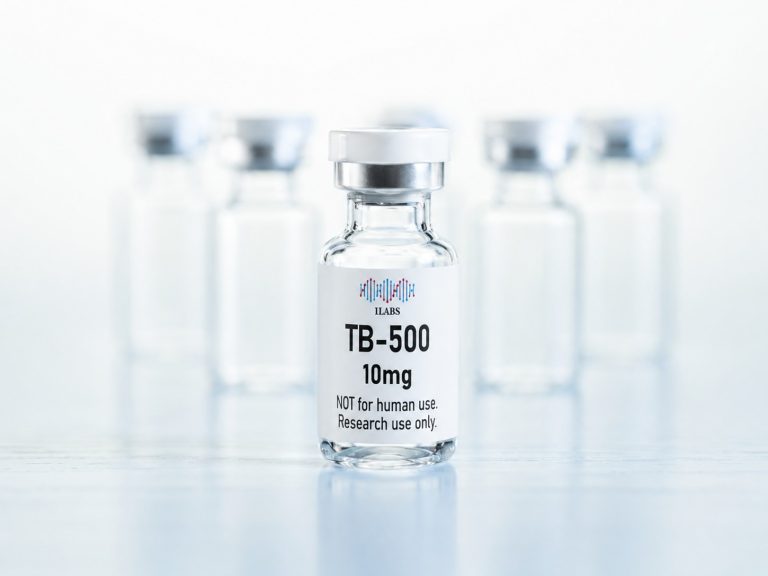
TB-500 – what is this peptide and how does it work?
How does TB-500 work? Explore the peptide’s mechanisms of action, its potential effects on muscles, tendons and tissue healing, and the current state of research.
Welcome to our blog!
Here we will publish news about supplementation and research reagents.
Epitalon / Epithalon – how does it work and what should you know about it?
Epitalon is one of the peptides increasingly discussed in relation to longevity, regeneration and the biological mechanisms of aging. Interest in it stems mainly from researchers examining its possible effects on telomeres, telomerase activity, pineal gland function and circadian rhythm. In this article, we explain Epitalon – how it works, where the different names for…
What are peptides and why are they important in laboratory research?
Peptides are short chains of amino acids that play an important role in biology, biochemistry, and research into advanced active ingredients. In living organisms, they participate in processes such as cellular communication, while in laboratories they are used as precise research tools. In this article, we explain what peptides are, how they differ from proteins,…
Peptides and joint regeneration – BPC-157, TB-500 and other peptides in light of research
Research on peptides in relation to joints currently spans several different areas — from laboratory experiments and animal models to early or more advanced clinical studies, depending on the compound being investigated. Scientists are examining, among other things, the effects of selected peptides on tendon and ligament healing, connective tissue cell activity, processes occurring in…